
Climbing Kilimanjaro: routes, altitude and how to prepare
Kilimanjaro is the highest mountain in Africa and one of the few big summits you can reach on foot, with no ropes or climbing experience. Most people who turn back do so because of the altitude, not the walking. This guide covers what the climb asks of you and how to give yourself the best chance at the top.
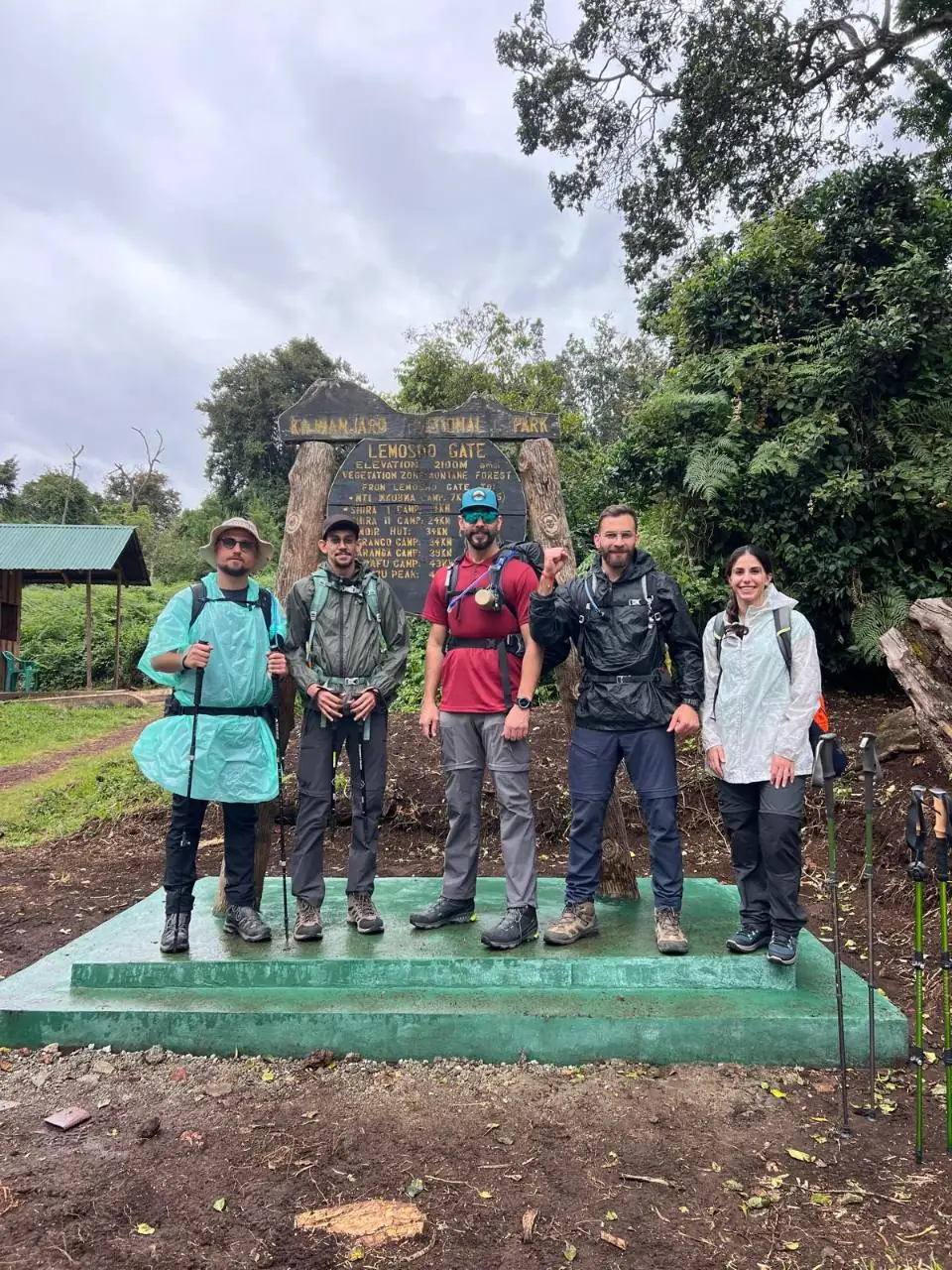
Updated 19 October 2026 · Written by the ElsewhereCo team, who climbed the Lemosho route in February 2026
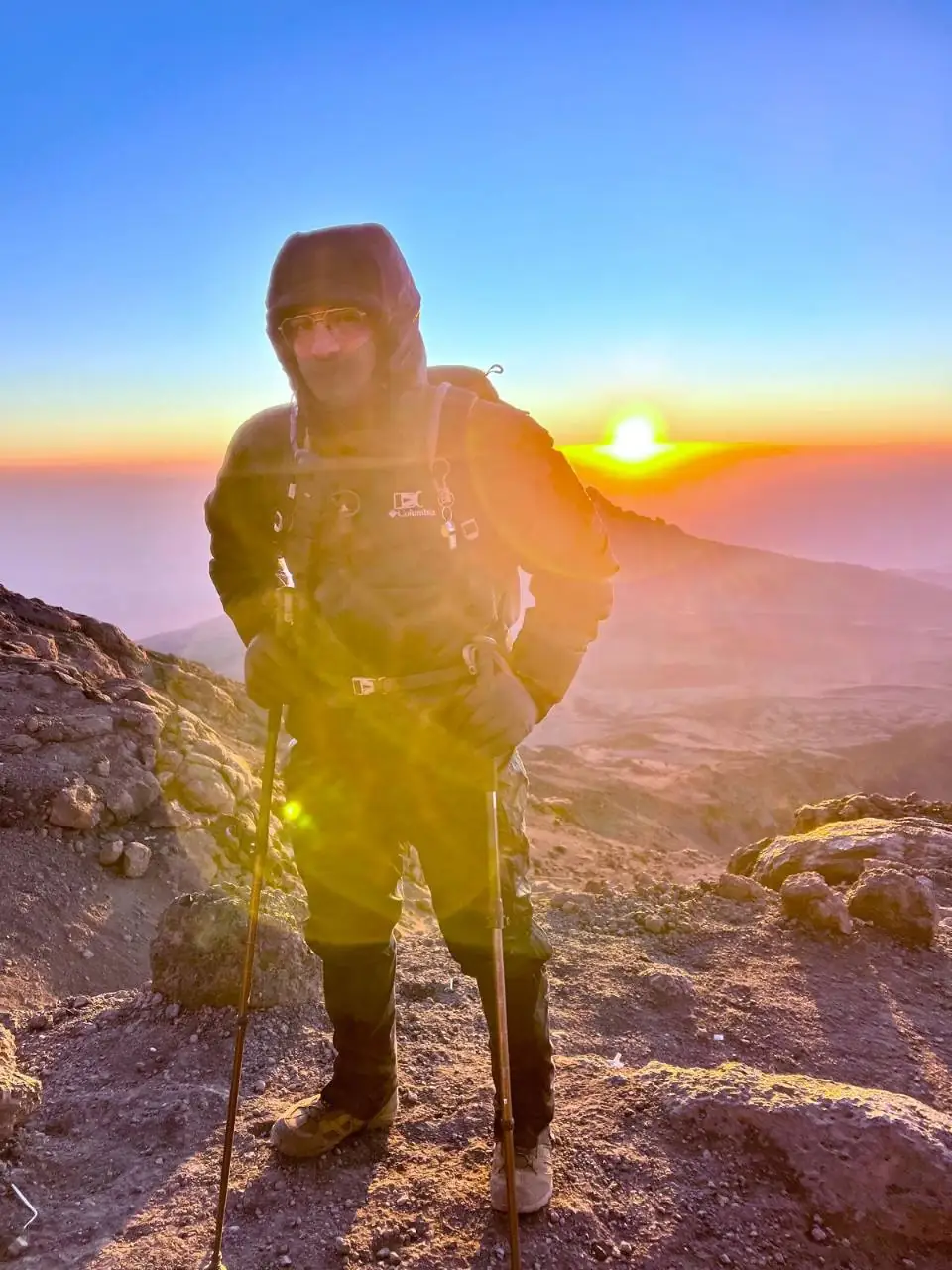
- Summit
- Uhuru Peak, 5,895 m
- Where
- Kilimanjaro National Park, northern Tanzania
- Days on the mountain
- 6 to 8, depending on the route
- Driest months
- Late June to October, and late December to early March
- Technical climbing
- None. It is a long, high walk
Choosing a route
Six main routes lead to the crater rim. They differ in scenery and crowds, but mostly in how many days they give your body to adjust. Machame is the most popular: six or seven days through rainforest, the Shira Plateau and the Barranco Wall, sleeping in tents. Lemosho starts further west, crosses the whole Shira Plateau and usually takes seven or eight days, which makes it quieter and gentler on acclimatization. Marangu is the only route with huts, and its short version climbs fast. Rongai approaches from the north, and the Northern Circuit is the longest of all.
Our advice is simple: pick the longest itinerary your time allows. An extra day on the mountain costs less than a summit you have to turn back from.
Altitude and acclimatization
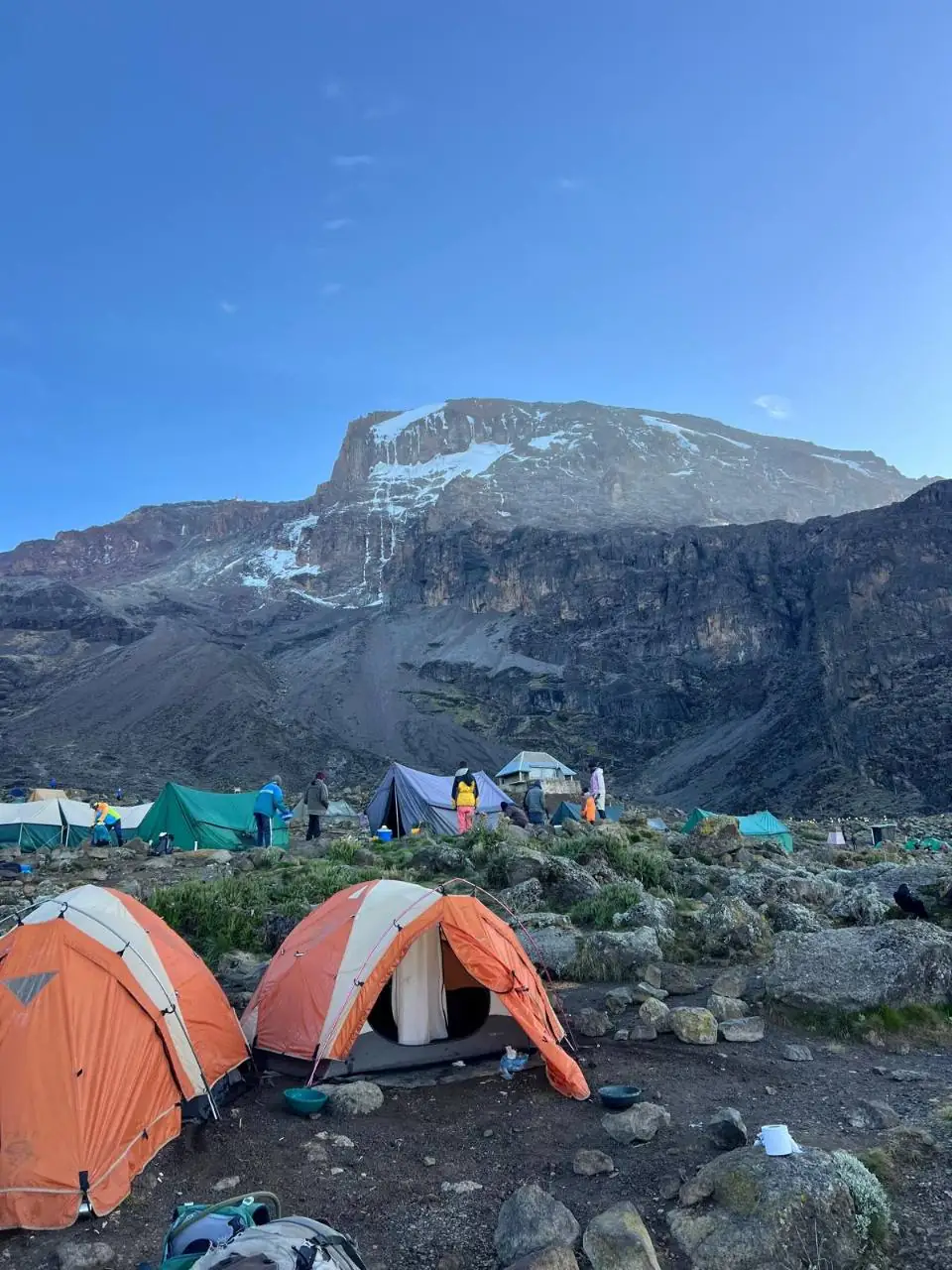
At 5,895 m each breath holds about half the oxygen it does at sea level. Almost everyone feels it: a headache, poor sleep, less appetite, slow steps. The body adapts if the climb is gradual, and that is why good routes alternate higher and lower ground. On both Machame and Lemosho you walk up to Lava Tower at about 4,600 m and sleep lower at Barranco Camp, at about 3,960 m. The principle is to climb high and sleep low.
Drink often, eat even when you are not hungry, walk slower than feels necessary and tell your guide about every symptom. A headache that does not go away with rest and water, vomiting, confusion or breathlessness at rest are reasons to go down. Our altitude sickness guide explains the warning signs in detail.
What a day on the mountain looks like
You wake around sunrise, eat breakfast in a mess tent and walk for four to seven hours, with breaks for water and lunch. Porters carry the tents, food and your main bag; you carry a daypack with water, layers, snacks and rain gear. Afternoons are for rest, an acclimatization walk and an early dinner.
Summit night is different. From Barafu Camp at 4,673 m you set out around midnight and climb in the dark and the cold for six to eight hours to Stella Point on the crater rim, then along the rim to Uhuru Peak. After the photos comes a long descent to a lower camp, often twelve or more hours of walking in one day.
When to go
Kilimanjaro can be climbed all year, but the drier windows are late June to October and late December to early March. April, May and November bring the long and short rains: muddy trails, fewer views and colder, wetter nights. January and February are warmer, with clear mornings. July and August are the busiest months, so good dates fill early.
Training and gear
You do not need climbing skills, but you do need legs and lungs used to long days. In the two or three months before the trip, walk for several hours with a loaded daypack once a week, ideally on hills, and add some cardio during the week. Break in your boots on those walks.
Temperatures range from warm rainforest to well below zero on summit night, so the key is layers: a base layer, a fleece or light down, a warm insulated jacket, a waterproof shell, warm gloves and a hat. A sleeping bag rated for cold nights matters more than most people expect. The equipment guide explains each item with photos, and the trail guide covers training in more detail.
Questions people ask about Kilimanjaro
Do I need climbing experience for Kilimanjaro?
Can I climb Kilimanjaro without a guide?
How many days does it take to climb Kilimanjaro?
Which route is better, Machame or Lemosho?
How cold is the summit?
Climb Kilimanjaro with us
Our next climb takes the Lemosho route, nine days in all, with a gradual programme, a local crew and preparation walks before the trip.