
Altitude sickness on a trek: symptoms, prevention and what to do
Altitude sickness can affect anyone who goes high, whatever their age or fitness. It is the main reason trekkers turn back on Kilimanjaro, Everest Base Camp and even Toubkal. Most cases are mild and get better with rest or a short descent. The serious forms can be fatal if they are ignored. Knowing the signs early is the best protection.
Updated 19 October 2026 · Written by the ElsewhereCo team from the Wilderness Medical Society's published guidelines
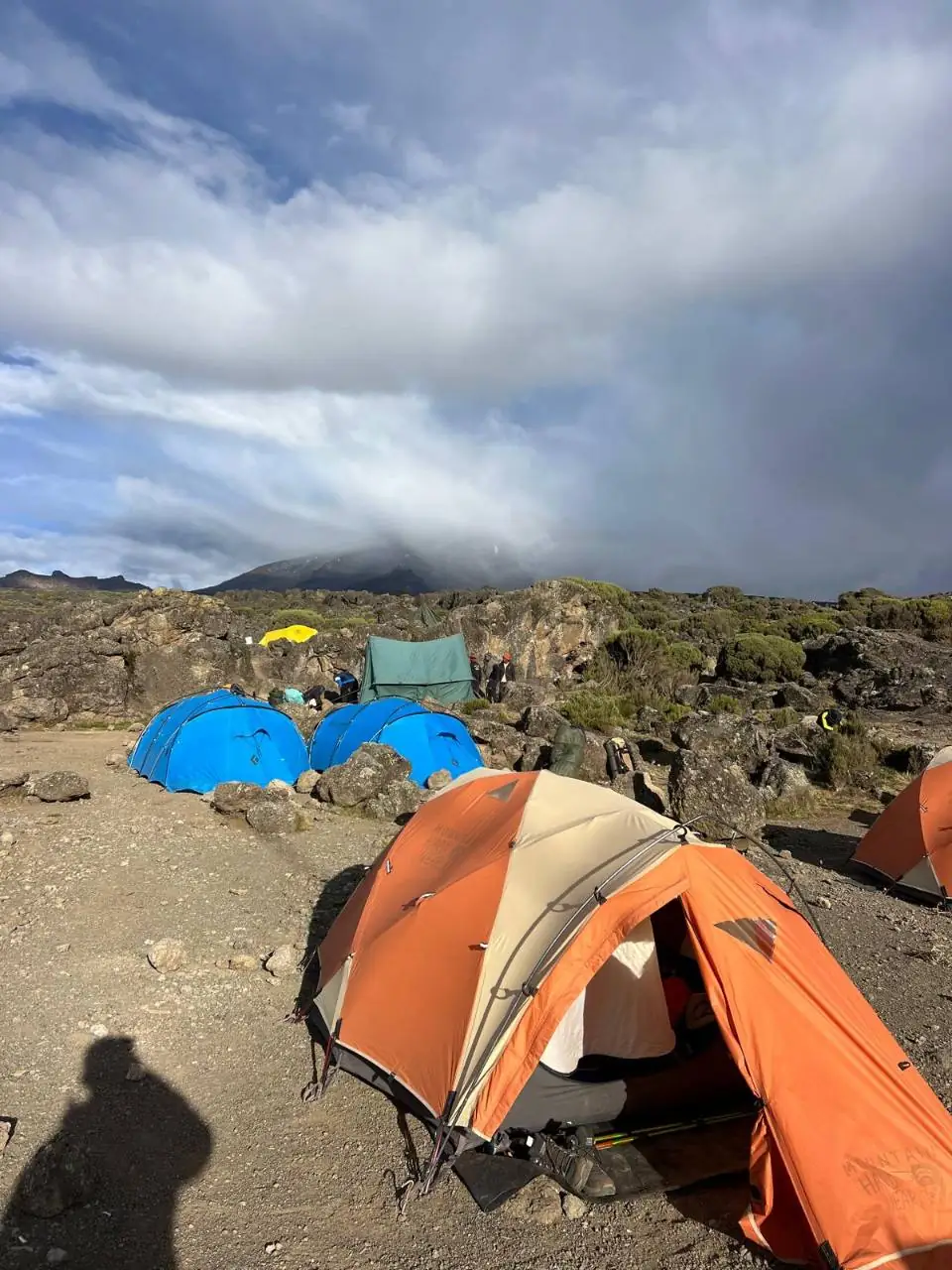
This guide is general information, not medical advice. See a doctor before a high-altitude trip, especially if you have a heart or lung condition, are pregnant, or have had altitude illness before. On the mountain, your guide's decision to descend is final.
What happens at altitude
The higher you go, the lower the air pressure, so each breath brings less oxygen into the body. At 3,000 m there is about 30 percent less oxygen per breath than at sea level, and on the summit of Kilimanjaro about half. The body adapts by breathing faster and, over days, by changing its blood chemistry. Altitude illness appears when you climb faster than the body can adapt. It is most common above about 2,500 m, and usually starts six to twelve hours after arriving at a new height.
Acute mountain sickness (AMS)
AMS is the common, mild form. The main sign is a headache, usually together with one or more of: nausea or vomiting, loss of appetite, unusual tiredness, and dizziness. It often feels like a hangover. Mild AMS is not dangerous in itself, but it is a warning: stop climbing, rest at the same altitude, drink, eat and tell your guide. If it does not improve within a day, or gets worse, go down.
Danger signs: HACE and HAPE
High-altitude cerebral edema (HACE)
Swelling of the brain, usually after AMS that was ignored. Signs: confusion, strange behaviour, extreme drowsiness and, most typically, unsteady walking, as if drunk. A person with HACE often does not realise how ill they are. It is an emergency: descend immediately, with someone accompanying them.
High-altitude pulmonary edema (HAPE)
Fluid in the lungs, which can appear even without AMS. Signs: breathlessness at rest, a dry cough that becomes wet, weakness and a fall in how far you can walk, sometimes with blue lips. It is also an emergency: descend at once.
Descending even 300 to 1,000 m usually brings quick improvement. Do not wait for daylight or for a helicopter if walking down is possible.
How to prevent it
A gradual ascent is the most effective prevention. Above 3,000 m, the Wilderness Medical Society advises not raising your sleeping altitude by more than about 500 m a day, and taking a rest day every three to four days. You can walk higher during the day as long as you come down to sleep: climb high, sleep low. This is why good itineraries include acclimatization days, such as Namche Bazaar on the way to Everest or Lava Tower on Kilimanjaro.
Walk slowly from the first day, even when you feel strong. Drink enough, eat well, and avoid alcohol and sleeping pills at altitude. Being fit does not protect you; very fit people often climb too fast. Some travellers take acetazolamide to help prevent AMS. It is a prescription medicine with side effects and is not right for everyone, so talk to your doctor about it before the trip.
Our rules on the mountain
Tell your guide about any symptom, even a mild one, every day. Never go higher while you have symptoms. If symptoms get worse, go down. Never leave a sick person alone or send them down by themselves. On our trips the guides decide when someone must descend, and on Kilimanjaro the crew carries emergency oxygen. A summit can be tried again another year.
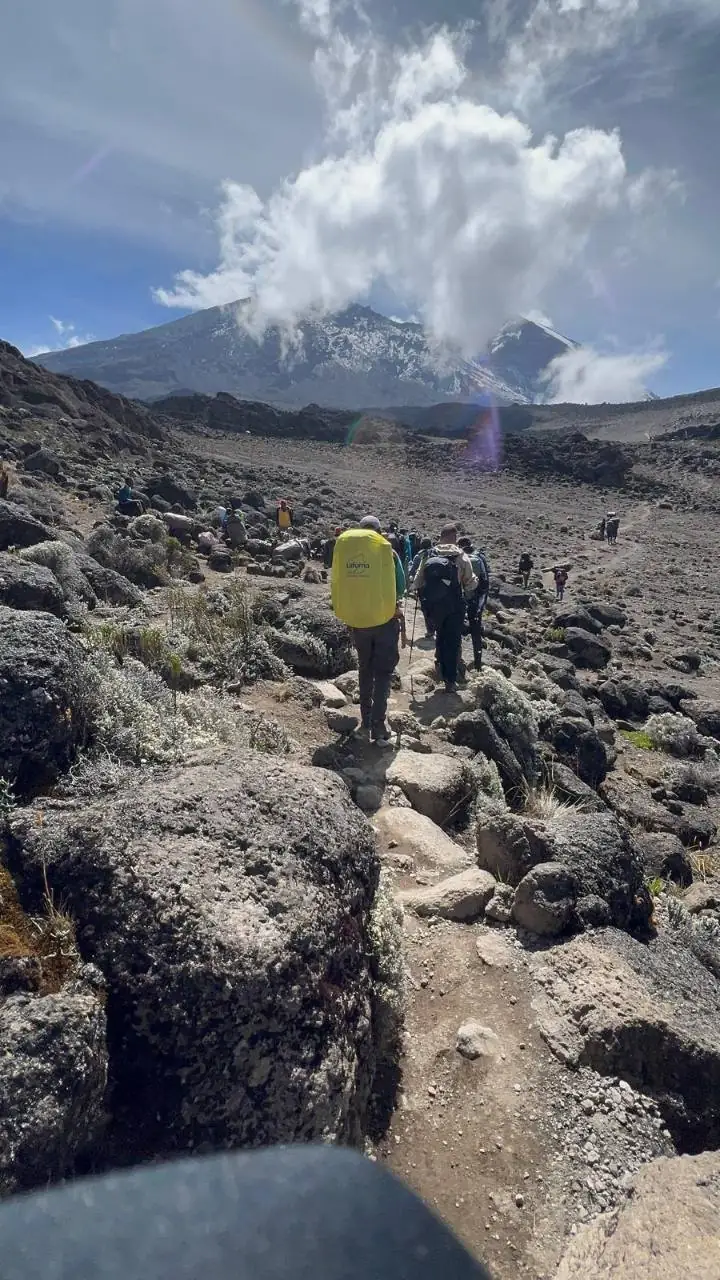
Questions about altitude sickness
At what altitude does altitude sickness start?
Does fitness prevent altitude sickness?
What should I do if I get a headache at altitude?
Should I take medication to prevent altitude sickness?
Trips planned around acclimatization
Our programmes include acclimatization days, a gradual pace and experienced local guides. Ask us how a trip handles altitude before you book.